
 See Our Latest Article on HelloNation
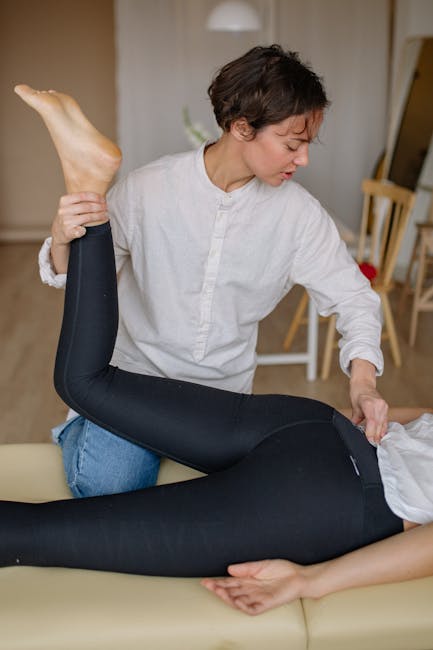
Living in scenic Niskayuna, NY, many locals enjoy time spent outdoors, from biking along the Mohawk-Hudson Bike-Hike Trail to tending to flourishing backyard gardens. While our active lifestyles encourage better health, they can also sometimes lead to unwelcome aches—especially sciatic pain. Sciatica, characterized by sharp, shooting pain radiating from the lower back down one leg, can disrupt your everyday activities and limit your enjoyment of the beautiful Capital Region. Residents often search for sustainable, natural remedies before turning to more invasive interventions. In this post, we'll explore evidence-based, natural ways to find relief from sciatica in and around Niskayuna without relying on medication or surgery.
Understanding Sciatica: Symptoms and Causes
Sciatica is not a condition itself, but a symptom of an underlying problem—often a herniated disc, spinal misalignment, or narrowing of the spine (spinal stenosis)—causing irritation or compression of the sciatic nerve. The pain can range from mild discomfort to severe, debilitating pain, and may be accompanied by numbness, tingling, or muscle weakness in the leg or foot. Local factors such as increased physical activity from hiking at Lisha Kill Preserve, repetitive movements in gardening, or sitting for long periods (like during a commute to Albany) can contribute to or exacerbate sciatic pain.
1. Rest and Gentle Movement
One of the most natural remedies for sciatica is balancing rest and gentle movement. While it can be tempting to stay in bed to avoid pain, too much inactivity often worsens symptoms. Instead:
- Begin with short walks along local parks or quiet Niskayuna neighborhoods. Gentle walking improves blood flow and reduces nerve inflammation.
- Avoid high-impact activities, but consider gentle swimming at the Niskayuna Community Center pool.
- Listen to your body—if a movement causes pain to shoot down your leg, stop and rest.
2. Stretching and At-Home Exercises
Incorporating daily stretching routines can help relieve pressure on the sciatic nerve and improve flexibility.
- Piriformis Stretch: The piriformis muscle, located deep in the buttock, can sometimes compress the sciatic nerve. Try lying on your back, crossing one ankle over the opposite knee, and gently pulling the uncrossed leg toward your chest.
- Knee-to-Chest Stretch: Lie on your back and pull one knee to your chest at a time; hold for 15-30 seconds and repeat.
- Cat-Cow Stretch: This yoga move helps mobilize the spine and can be done on any soft surface, such as the lawns of River Road Park.
Consult a local doctor or chiropractor before starting new stretches to ensure they are safe for your specific situation.
3. Application of Heat and Cold
Niskayuna residents can use simple household items to alternate hot and cold therapy:
- Cold packs help reduce inflammation. Apply an ice pack wrapped in a towel to the lower back for 15-20 minutes after vigorous activity.
- Heat therapy increases blood flow and relaxes tight muscles. Use a warm heating pad or take a soothing bath after coming in from the cold upstate weather.
Try alternating between ice and heat throughout the day for the best results.
4. Anti-Inflammatory Diet
Diet plays a crucial role in managing inflammation—a major contributor to sciatic nerve pain. In Niskayuna, access to fresh produce from local farmers' markets makes it easier to adopt an anti-inflammatory diet:
- Increase: Leafy greens, berries, fatty fish like salmon, and nuts.
- Reduce: Fried foods, sugary snacks, and processed meats.
Staying hydrated, especially in the summer months spent outdoors, helps maintain overall spinal health.
5. Mindfulness and Stress Reduction
Chronic pain can lead to emotional stress, which in turn tightens muscles and may worsen sciatica. Mindfulness techniques are naturally effective to break this cycle:
- Meditation: Spend a few quiet minutes in Blatnick Park, focusing on your breath to calm the nervous system.
- Gentle Yoga: Local studios in the Niskayuna area often offer beginner yoga classes designed for those with back pain and mobility challenges.
6. Chiropractic Care and Manual Therapy
Many Niskayuna residents find natural relief from chiropractic adjustments and manual therapies. Chiropractors are trained to locate and correct spinal misalignments that may be irritating the sciatic nerve.
- Gentle spinal adjustments restore optimal alignment and reduce pressure on nerves.
- Techniques like massage or myofascial release further relax tight muscles in the lower back and legs.
Always consult with a licensed chiropractor to receive individualized care and advice.
7. Ergonomic Adjustments in Daily Life
Daily routines may inadvertently worsen sciatic symptoms, especially if you work from home or commute to nearby Schenectady or Albany.
- Workstation Set-Up: Adjust your chair and computer to keep your spine straight and feet flat on the floor.
- Driving Tips: Place a rolled towel behind your lower back and take frequent breaks to stretch.
- Sleep Support: Use a medium-firm mattress and consider placing a pillow under your knees if you sleep on your back, or between your knees if you sleep on your side.
8. When to Seek Professional Help
While natural remedies can significantly improve sciatic pain, it's important to recognize when symptoms require medical attention. Seek professional help in Niskayuna if:
- Severe pain persists beyond a few weeks
- You experience weakness or numbness in your legs
- Sciatica disrupts your day-to-day activities
Early intervention provides the best chance for long-term relief.
Conclusion
Sciatica doesn't have to keep you from enjoying all that Niskayuna has to offer, from family picnics by the Mohawk River to community events at the town center. By embracing natural remedies—gentle movement, stretches, balanced nutrition, stress reduction, and proper ergonomic habits—you can alleviate nerve pain and return to the active lifestyle you love. As always, consult with a trusted health professional in your area to find the best plan for your unique needs.
