
 See Our Latest Article on HelloNation
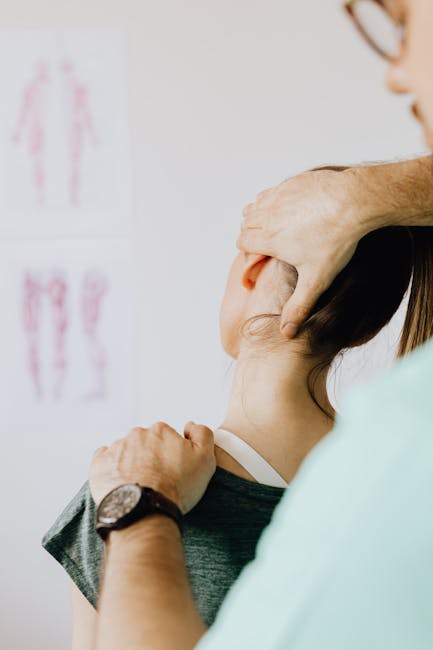
Living in Niskayuna, NY, residents cherish the area’s mix of peaceful neighborhoods, vibrant community life, and proximity to the scenic Mohawk River. However, like people everywhere, the pressure from work, family responsibilities, and daily commutes can add up, resulting in more than just mental fatigue. Stress and back pain are closely linked, and understanding this connection is crucial for living a healthier, more comfortable life in Niskayuna.
How Stress Affects the Body
Stress triggers our fight-or-flight response, a primitive reaction intended to help us survive danger. While this response can be lifesaving in true emergencies, chronic stress—like that experienced during a busy workweek or while caring for a family—causes continuous muscle tension. In particular, stress commonly leads to:
- Muscle tightness and spasms, especially in the back and neck
- Poor posture from "tensing up"
- Increased sensitivity to pain
Over time, this constant muscle tension in the back can contribute to pain, stiffness, and sometimes even injury.
The Physical Toll of Stress in Niskayuna’s Daily Life
Niskayuna’s residents are used to shuttling between destinations, spending hours driving or seated at desks—whether at tech jobs in nearby Schenectady or while working from home. Even leisure time can involve activities that unwittingly aggravate back problems, like gardening, home improvement, or local sports.
- Sedentary routines from office work
- Repetitive chores around the house
- Prolonged commuting on I-890 and local roads
These typical activities for Niskayuna residents can amplify the way stress physically manifests in the body, making stress management not just a mental health necessity, but also critical for physical well-being and back pain prevention.
The Science Behind Stress and Back Pain
Many people wonder, “Why does stress make my back hurt?” The answer lies in both science and psychology. When you're under stress:
- The nervous system releases stress hormones (like cortisol), which increase muscle tension.
- Chronic tension concentrates in the shoulders, upper back, and lower back.
- Over time, this tension reduces blood flow to these areas, limiting delivery of oxygen and nutrients that your muscles and tissues need to heal and stay healthy.
Psychologically, stress can increase the perception of pain—a phenomenon called “central sensitization.” This means that back pain can feel more intense or persistent during stressful periods, even if the underlying cause is minor.
Real-Life Scenarios—And Solutions—for Niskayuna Residents
Scenario 1: The Commuter
A typical Niskayuna resident may commute to Albany or Schenectady. Seated posture, combined with traffic stress, easily manifests as lower back stiffness by day’s end.
*Solution*: Try to adjust your car seat for optimal support, take short walking breaks before and after your drive, and use deep breathing exercises to manage stress during heavy traffic.
Scenario 2: The Remote Worker
Working from home can lead to a makeshift workstation and poor ergonomics, creating neck and back pain over time, especially when stress leads to slouching or prolonged sitting.
*Solution*: Set up a proper workspace with supportive chairs and frequent breaks. Gentle stretching and mindfulness exercises, such as those offered at local Niskayuna yoga studios, can reduce stress and consequent tension.
Scenario 3: The Busy Parent
Juggling pickups from Niskayuna Central School District, extracurriculars, and household chores can mean little time for self-care. Stress and physical fatigue go hand in hand, often showing up as mid-back pain.
*Solution*: Even a brief daily walk through one of Niskayuna’s parks, or a simple at-home relaxation routine, can lower stress and break the pain cycle.
Tips for Managing Stress-Induced Back Pain Locally
Whether you’re new to the area or a long-time resident, integrating back-protective habits into your routine can make a difference:
- Explore outdoor activities—walking or biking along the Mohawk-Hudson Bike-Hike Trail can offer both exercise and stress relief.
- Schedule wellness time—regular massages, chiropractic adjustments, or acupuncture sessions at Niskayuna’s various healthcare providers help release tension and improve mobility.
- Practice mindfulness—community centers and yoga studios often offer meditation or yoga classes specifically targeted at stress reduction.
When to Seek Professional Help
Sometimes, stress management and self-care aren’t enough. If your back pain in Niskayuna is:
- Persistent or worsening despite rest and home care
- Accompanied by numbness, weakness, or other unusual symptoms
- Interfering with sleep, work, or daily activities
…it’s best to consult a trusted healthcare professional, such as a chiropractor. Early intervention can speed recovery and teach you new strategies to manage both stress and pain more effectively.
Frequently Asked Questions about Stress and Back Pain
1. Can stress alone cause back pain, even if I haven’t had an injury?
Yes, stress alone can lead to muscle tension strong enough to cause significant discomfort or pain, even in the absence of injury.
2. Is exercise safe if my back hurts from stress?
Gentle movement is not only safe but recommended—low-impact activities like walking, swimming, or yoga help reduce muscle tension and release endorphins, which combat both pain and stress.
3. How long will stress-related back pain last?
The duration varies, but with active stress management and lifestyle changes, many people notice improvement within a few weeks.
Conclusion
In busy, family-oriented Niskayuna, stress is a part of many people’s lives—but back pain doesn’t have to be. Recognizing how stress and back pain are entwined empowers you to take simple yet effective steps to improve your health. Remember, maintaining your well-being is a journey, and resources for support are available throughout our community!
