
 See Our Latest Article on HelloNation

How Can Chiropractic Care Be an Alternative to Surgery?
Chiropractic care focuses on non-invasive approaches to managing musculoskeletal pain and dysfunction, offering options that many local residents consider before surgery. In the context of common back, neck, or joint conditions affecting individuals in Niskayuna, care plans may include spinal adjustments, manual therapies, and guided exercise. These interventions aim to improve function and comfort without the risks or recovery time associated with surgery.
What Conditions Might Benefit from Conservative Care Approaches?
Most non-emergency musculoskeletal concerns—like low back pain, neck stiffness, sciatica, tension headaches, and some joint or nerve complaints—can often be effectively managed without surgery. In climates with cold, icy winters like those in Niskayuna, residents frequently experience slips, falls, or strains related to shoveling or yardwork. Common examples where chiropractic approaches are explored before surgery include:
- Persistent lower back pain not linked to major trauma
- Sciatic nerve discomfort aggravated by prolonged sitting or driving
- Chronic tension headaches, sometimes worsened by screen use or posture
- Shoulder or hip pain from repetitive household activities
Careful assessment helps differentiate between situations where conservative management is appropriate and those requiring urgent medical intervention, such as fractures or severe neurological symptoms.
What Do Chiropractic Modalities Involve?
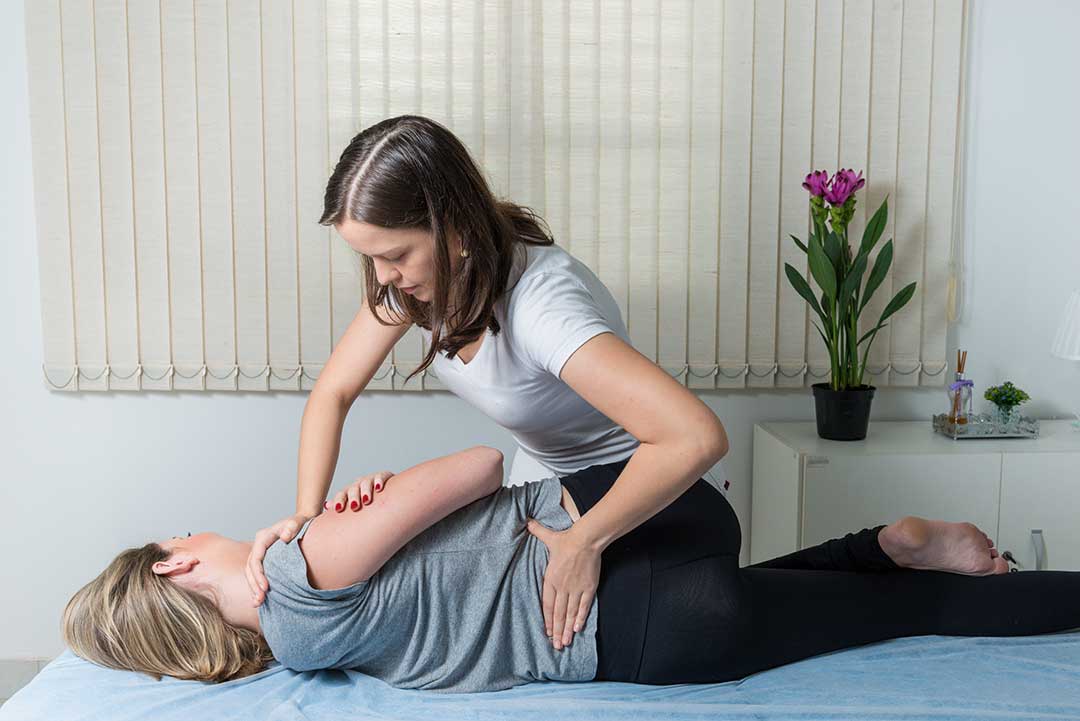
Chiropractic care may use several hands-on and movement-based techniques, each with specific goals:
- Spinal or joint adjustments to improve mobility and relieve pressure
- Soft tissue therapy (manual massage, trigger point release)
- Personalized exercise routines to build stability and reduce recurrence
- Ergonomic and posture guidance relevant to local lifestyles, such as desk work or garden tasks
These approaches are designed to restore movement, reduce muscle tension, and support natural healing factors within the body. Typical care plans are short-term, with regular progress checks, to see if symptoms resolve or if further assessment is necessary.
When Should Surgery Be Considered Instead?
Surgical intervention is generally reserved for cases in which conservative care has not led to meaningful improvements or when specific findings—like spinal cord compression, severe nerve loss, or unstable injuries—are present. Symptoms such as loss of bladder or bowel control, progressive loss of strength, or inability to walk require immediate emergency evaluation, not chiropractic care.
Most local households do not face these urgent scenarios, but ongoing pain, loss of function, or unsuccessful attempts with non-invasive methods may prompt a surgical consultation.
Are There Risks to Non-Surgical Approaches?
While chiropractic care is considered low-risk for most healthy adults, some scenarios, including brittle bone conditions or the use of blood thinners, may pose higher risk for hands-on techniques. In Niskayuna’s aging population, thorough evaluation is essential before initiating any care. Residents with complex medical histories or recent trauma should consult with a primary healthcare provider to rule out conditions where non-surgical strategies are not suitable.
How Long Should Someone Try Conservative Management Before Surgery?
For most typical back or joint complaints, a trial of conservative measures lasting several weeks is usually recommended unless symptoms worsen or new issues emerge. Health guidelines often suggest reconsidering options if there’s no improvement in four to six weeks, or sooner if pain intensifies.
Some residents find relief quickly with chiropractic methods, especially if the pain results from posture, muscle imbalances, or minor injuries common in seasonal home maintenance or recreational activities.
What Are Common Misconceptions About Chiropractic Alternatives to Surgery?
Some believe that all back or joint pain eventually needs surgical correction or that chiropractic adjustments only offer temporary relief. In reality, many musculoskeletal episodes in the local population resolve fully or substantially with dedicated non-surgical management.
It’s also a misconception that chiropractic care is the right path for every complaint. A careful, individualized assessment tailored to work routines, physical habits, and home demands in Niskayuna helps match the right approach to each person's needs.
What Role Do Lifestyle and Self-Management Play?
Lifestyle habits strongly impact long-term outcomes for most musculoskeletal problems. Local residents may benefit from:
- Maintaining regular movement and household activity through the winter months
- Using ergonomic tools during snow removal and gardening
- Learning safe ways to lift, bend, or reach
Chiropractic care often incorporates this type of self-care education, empowering individuals to make informed decisions about their bodies and avoid both surgery and ongoing pain cycles.
What to Expect if Exploring Chiropractic Before Surgery
Residents interested in conservative options will typically undergo a detailed history and physical examination to ensure their symptoms are appropriate for chiropractic management. Care plans emphasize collaboration and monitoring, with adjustments based on response and personal goals—whether those are tied to community recreation, active gardening, or comfort at home.
Most importantly, the aim is to restore everyday function safely, helping the community remain active and independent across all seasons.
