
 See Our Latest Article on HelloNation
What Is a Herniated Disc?
A herniated disc occurs when one of the soft discs cushioning the bones in your spine becomes damaged and its inner gel leaks out. This displacement can press on nerves, causing pain, tingling, or numbness. The spine has many discs, and a herniation most commonly affects the lower back or neck due to frequent bending, lifting, or twisting.
Everyday activities—such as shoveling during a Niskayuna winter, gardening in spring, or even sitting for long periods—can put various types of strain on the back. These activities, especially when performed without proper support or with poor posture, can contribute to disc problems over time.
How Do You Recognize the Symptoms?
The symptoms of a herniated disc depend on its location and how much it affects nearby nerves. Most residents notice pain in the lower back or neck, sometimes radiating into the arms or legs.
Typical signs include:
- Sharp or burning pain in one area of the back
- Tingling, numbness, or weakness in the legs or arms
- Increased discomfort when bending, lifting, coughing, or sneezing
Some people in the community have mild cases with little pain, while others might find their ability to walk, drive, or perform work tasks is disrupted. For many, symptoms begin gradually after a strenuous activity, such as clearing heavy snow or moving outdoor furniture for the season.
What Causes Herniated Discs in Niskayuna Households?
Aging is one of the main causes, as the discs naturally lose flexibility over the years. However, repetitive motions involved in local pastimes—like raking leaves, home improvement projects, or recreational sports—can also contribute to disc injury.
Other common risk factors include:
- Carrying heavy backpacks or briefcases, particularly among students or commuters
- Extended periods of sedentary work, especially at computer desks not set up for healthy posture
- Slipping on icy sidewalks in colder months, which can jar the spine
Misconceptions persist in the community that only a major accident can cause a herniated disc. In reality, most cases develop from a combination of regular wear-and-tear and minor daily stresses.
How Can Chiropractic Care Support Recovery?
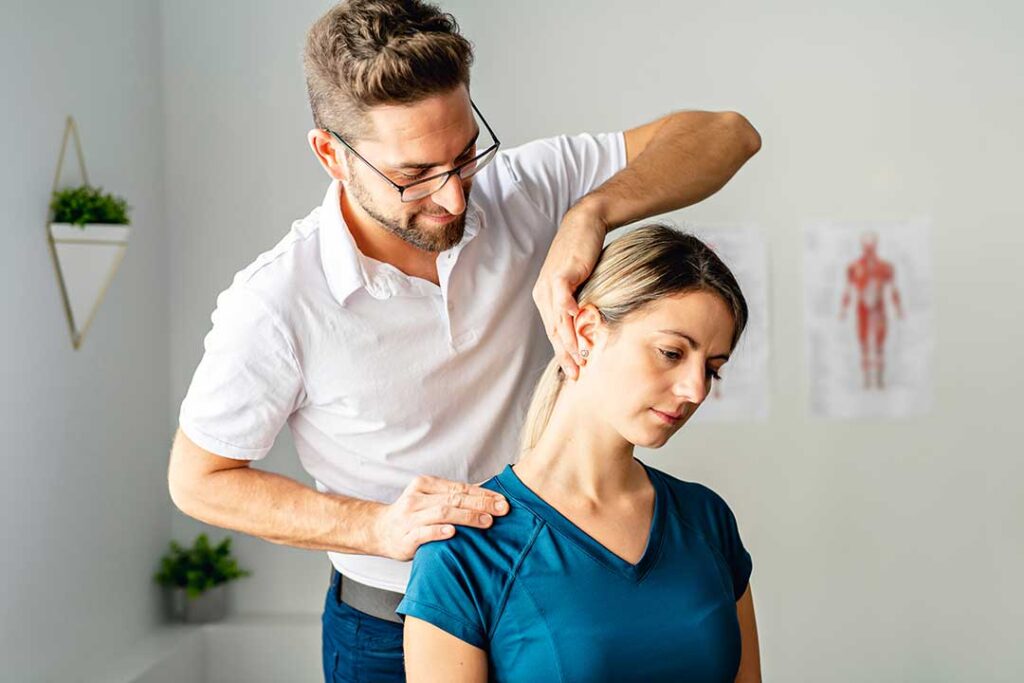
Chiropractic care addresses spinal health by focusing on improving mobility, reducing nerve irritation, and supporting healing. Local chiropractors use hands-on techniques—most commonly spinal adjustments—to gently improve alignment.
For people experiencing herniated disc symptoms, chiropractors often:
- Conduct a thorough evaluation, sometimes recommending imaging if needed for clarity
- Use specific manual adjustments to relieve pressure on nerves
- Suggest home stretching routines and ergonomic tips for work or daily tasks
Residents notice that non-invasive chiropractic care may help manage pain, restore comfort, and reduce reliance on pain medications. Techniques are chosen based on the individual’s age, overall health, and comfort, with an emphasis on gentle, controlled movements to avoid worsening the injury.
Are Chiropractic Adjustments Safe for Herniated Discs?
Generally, spinal adjustments are considered safe for many people with disc herniation—especially when performed after a careful health assessment. Some cases of severe disc herniation or nerve involvement may not be suitable for manual adjustments, so chiropractors prioritize individualized plans.
It's common for those new to chiropractic care to worry about the “cracking” sound or fear that manipulation could make things worse. In practice, well-trained practitioners avoid forceful movements in sensitive situations and opt for low-force techniques when necessary.

If symptoms include loss of bladder or bowel control, profound leg weakness, or severe worsening pain, these are medical emergencies and require immediate care at a local hospital.
What Are Practical Steps for Disc Health at Home?
Daily habits play a significant role in managing back discomfort and supporting recovery from a herniated disc. Residents in the area can make use of several self-care strategies:
- Alternate activities to limit repetitive back strain, such as breaking up snow shoveling with rest periods
- Adjust workstations for ergonomic support, particularly for remote workers and students
- Use proper lifting techniques, bending from the knees and holding items close
Gentle stretching—like pelvic tilts or knee-to-chest movements—can keep muscles flexible. Applying a heating pad during chilly winters or ice packs after a flare-up can provide relief from soreness. Staying active with light walks, unless pain is severe, often benefits recovery.
When Is Medical Attention Necessary?
While many cases improve with conservative care and time, urgent symptoms could signal a more serious underlying problem. Immediate medical attention is needed if:
- Weakness or numbness in the legs becomes severe
- Loss of bladder or bowel control occurs
- Pain is unbearable and doesn't improve with rest
Otherwise, persistent symptoms—especially if they disrupt sleep, walking, or daily activities—warrant an evaluation by a healthcare professional. Residents often find that questions about medications, surgery options, or long-term mobility are best answered during a dedicated medical evaluation.
Common Misunderstandings About Herniated Discs
A frequent misconception is that any back pain must mean a disc is herniated or that surgery will always be required. In reality, most back pain is muscular, and only a small percentage is due to a herniated disc. Surgery is typically reserved for the most severe cases.
Another local misunderstanding is that yoga or stretching alone can "pop" a disc back into place—discs do not move in and out rapidly, and care is needed with exercises to avoid aggravating symptoms.
By understanding the diverse causes, symptoms, and practical management options, area households can confidently approach disc concerns and make informed choices about spine health.
