
 See Our Latest Article on HelloNation
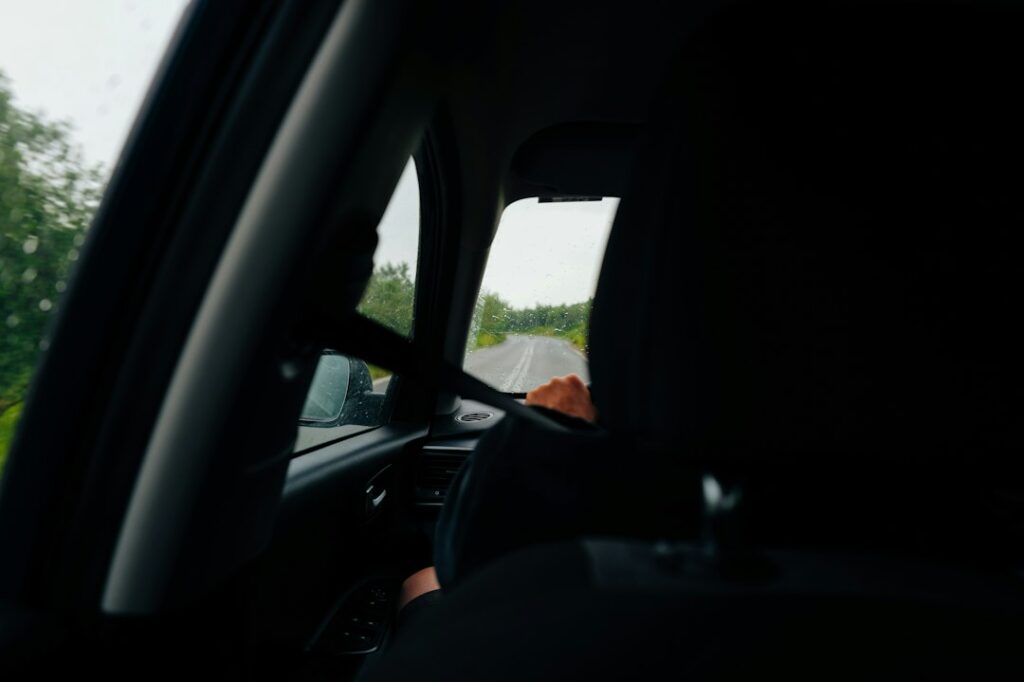
Travel can place unusual demands on the lower back. Long periods of sitting, awkward sleeping arrangements, lifting luggage, and sudden changes in activity can all contribute to stiffness or pain. For residents of Niskayuna, NY, travel may also involve long drives, airport connections, winter road conditions, or extended sitting during holiday visits.
A few practical adjustments before and during a trip can reduce strain and make it easier to stay active.
Why does travel often trigger lower back pain?
The most common problem is prolonged sitting in a position that does not allow the spine, hips, and legs to move normally. Car seats and airplane seats may encourage slouching, while limited legroom can keep the hips and knees bent for hours.
Travel can also combine several stressors:
- Lifting suitcases from the floor or into an overhead compartment
- Twisting while reaching into a trunk or storage area
- Sleeping on unfamiliar mattresses
- Walking more than usual after spending hours sitting
- Carrying a backpack, purse, or computer bag on one side
- Tightening muscles because of cold weather, stress, or fatigue
Lower back discomfort is not always caused by a single movement. It often develops from repeated small stresses without enough movement or recovery.
How should a car seat be adjusted for back comfort?
The seat should allow the driver to sit close enough to use the pedals without reaching, leaning, or rounding the lower back. The backrest should support an upright position without forcing the shoulders forward.
Before leaving, check these adjustments:
- Keep the hips level with or slightly higher than the knees.
- Position the seat so the knees remain slightly bent when the pedals are fully depressed.
- Use the seatback to support the entire back rather than reclining excessively.
- Keep the steering wheel close enough that the elbows remain comfortably bent.
- Place a small rolled towel or lumbar cushion at the lower back if the seat leaves a gap.
- Avoid sitting on a thick wallet, phone, or other object that tilts the pelvis.
The goal is not to hold one “perfect” posture for hours. Even a well-adjusted seat becomes uncomfortable if the body stays still too long.
How often should travelers stop or move around?
For a road trip, plan regular breaks rather than waiting until the back becomes painful. A brief stop every hour or two can provide an opportunity to walk, change position, and gently move the hips and spine.
During a break, try a short walk and simple movements such as:
- Standing tall and taking several relaxed breaths
- Gently rolling the shoulders
- Moving the ankles and calves
- Taking a few comfortable steps in different directions
- Performing a mild standing backbend only if it feels helpful and does not increase symptoms
On an airplane, train, or bus, move the feet and ankles periodically and stand or walk when it is safe. Regular leg movement also supports circulation during longer journeys. People with a history of blood clots, recent surgery, pregnancy, active cancer, or other clotting risks should ask a medical professional about travel precautions before leaving.
What is the safest way to lift luggage?
Many travel-related back injuries occur during transitions: lifting a suitcase from the floor, pulling it from a vehicle, or turning while carrying it.
To reduce strain:

1. Stand close to the bag before lifting.
2. Bend through the hips and knees instead of rounding only through the waist.
3. Hold the luggage near the body.
4. Tighten the abdomen gently as the bag is raised.
5. Turn by moving the feet rather than twisting the trunk.
6. Use both hands when possible.
7. Break a heavy load into smaller pieces.
Avoid jerking a suitcase upward or lifting it while reaching far away from the body. If a bag is too heavy for comfortable control, ask for assistance rather than forcing the movement.
Are rolling suitcases always better?
A rolling suitcase can reduce the need to carry weight, but it may still cause strain if pulled behind the body for a long distance or dragged over uneven ground. Keep the handle at a height that allows an upright posture, and switch hands periodically when practical.
Backpacks distribute weight more evenly than one-shoulder bags, but they should remain reasonably light. Wear both shoulder straps, keep heavier items close to the middle of the back, and remove unnecessary objects before traveling.
A useful rule is that luggage should be manageable without leaning sideways, shrugging one shoulder, or holding the breath.
What should someone do if the back becomes stiff during travel?
Mild stiffness often improves with gentle movement rather than complete bed rest. After arriving, take a short walk, change positions frequently, and avoid immediately settling into a soft couch for several hours.
Heat may help muscle-related tightness, while a cold pack may feel more comfortable after a recent strain. Use either for a limited period and protect the skin. Gentle stretching should feel mild, not sharp, burning, or electric.
Do not force a stretch to “put the back back into place.” Sudden, aggressive twisting can worsen an irritated joint, muscle, or nerve.
How can travelers prepare before leaving Niskayuna?
Preparation is especially useful during the colder months, when snow, ice, bulky clothing, and hurried loading can increase awkward lifting. Before a trip:
- Pack smaller bags instead of one oversized suitcase.
- Place frequently used items where they are easy to reach.
- Avoid loading a vehicle while standing on slippery or uneven ground.
- Wear shoes with secure traction when handling luggage outdoors.
- Build walking and basic strengthening into regular routines before a long journey.
- If back pain is already active, consider whether the itinerary allows enough breaks and recovery time.
Travelers who regularly experience back pain may benefit from knowing which positions, movements, or activities tend to aggravate symptoms before departure.
When is travel-related back pain a medical concern?
Seek prompt medical evaluation for back pain accompanied by new leg weakness, loss of bladder or bowel control, numbness around the inner thighs or groin, fever, unexplained weight loss, or severe pain after a fall or collision.
Pain that travels below the knee, causes persistent numbness or tingling, or does not improve with reasonable self-care also deserves medical attention. Sudden leg swelling, unexplained leg pain, chest pain, or shortness of breath after prolonged travel may indicate a blood clot or related emergency and requires immediate care.
For most travelers, the most protective habits are straightforward: adjust the seat, move regularly, lift close to the body, pack within manageable limits, and respond early when stiffness begins rather than pushing through worsening pain.
