
 See Our Latest Article on HelloNation
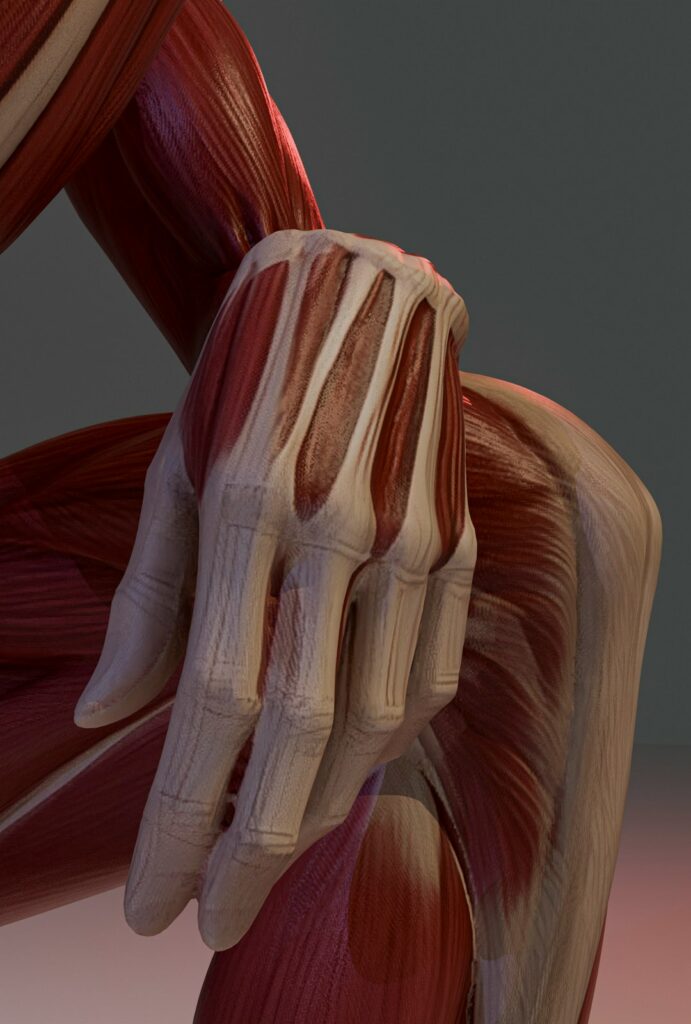
Joint cracking is usually harmless, especially when it happens without pain, swelling, weakness, or loss of movement. The sound may come from pressure changes inside a joint, tendons moving across nearby structures, or rougher surfaces associated with injury or arthritis.
For residents of Niskayuna, NY, the practical question is not simply whether a joint makes noise. The more useful question is whether the sound is accompanied by symptoms that suggest inflammation, injury, or a change in joint function.
Why do joints crack or pop?
Most joint sounds come from ordinary movement rather than damage. A joint contains fluid that helps bones move smoothly. When the joint surfaces separate quickly, dissolved gases in the fluid can form a temporary cavity, creating an audible pop. This process is often called cavitation.
Other sounds have different causes:
- A tendon or ligament may move over a bony prominence and produce a snapping sensation.
- Stiff muscles or connective tissue may shift as a person changes position.
- Rough cartilage or uneven joint surfaces may create clicking, grinding, or crunching.
- A small area of scar tissue or an irritated structure may catch during movement.
The type of sound can offer clues, but sound alone cannot diagnose a condition. A painless pop in a finger is not equivalent to painful grinding in a knee after an injury.
Does cracking your knuckles cause arthritis?
Available research has not shown that habitual knuckle cracking causes osteoarthritis. Studies comparing people who crack their knuckles with those who do not have generally found no meaningful increase in hand arthritis linked to the habit.
That does not mean forceful cracking is always risk-free. Repeatedly pulling, twisting, or overextending a finger can irritate soft tissues, particularly if the joint is already injured. Some people may also notice temporary changes in grip strength or swelling after excessive manipulation.
A comfortable, gentle pop is generally different from forcing a joint until it cracks. Pain, swelling, or a feeling that the joint is unstable is a reason to stop rather than continue testing it.
Is cracking your neck or back dangerous?
Neck and back noises can also occur through normal joint movement, tendon motion, or pressure changes. A painless sound during stretching does not automatically indicate harm.
The concern increases when a person repeatedly forces the neck or spine into an extreme position, especially with rapid twisting. The neck contains nerves, blood vessels, joints, muscles, and ligaments in a compact area. Forceful or poorly controlled movement can aggravate an existing problem and, in rare circumstances, cause a serious injury.
A joint does not need to crack for movement to be effective. Relief after a pop may come from a brief change in joint motion, reduced muscle tension, or the sensation of releasing pressure. The sound itself is not proof that a joint was “put back into place,” and the absence of a sound does not mean that movement was unsuccessful.
When is joint cracking normal?
Popping or clicking is commonly considered less concerning when it is:
- Occasional rather than constant
- Not painful
- Unaccompanied by swelling or warmth
- Not associated with weakness, numbness, or instability
- Not limiting ordinary activities
- Not linked to a recent fall, collision, or sudden twist
Knees may click when standing from a chair. Shoulders may pop during arm movement. Ankles may crack after being still for a while. These sounds can become more noticeable with age or after long periods of inactivity.
Cold weather may also make stiffness and soreness more noticeable for some people. In the colder months, time spent indoors, reduced activity, slippery walking conditions, and prolonged sitting can all change how joints feel. The weather itself does not explain every symptom, however. Persistent pain or swelling should not be dismissed as seasonal discomfort.
When should joint noise be evaluated?
Joint sounds deserve closer attention when they occur with pain, swelling, or a clear change in function. Warning signs include:

- A joint that becomes red, hot, or visibly swollen
- Pain that continues or worsens over several days
- A popping sensation immediately after an injury
- A knee, ankle, or shoulder that gives way
- Locking, catching, or an inability to fully bend or straighten the joint
- Numbness, tingling, or weakness
- Grinding that is painful or progressively worsening
- Repeated neck cracking accompanied by dizziness, severe headache, vision changes, or unusual weakness
Sudden severe pain, major swelling, deformity, inability to bear weight, or new neurological symptoms require prompt medical attention. These findings may indicate a fracture, significant ligament injury, nerve involvement, or another condition that should not be managed by repeatedly trying to make the joint crack.
Why can cracking feel relieving?
Many people report that cracking a joint feels satisfying or briefly reduces stiffness. Several factors may contribute. Joint movement can temporarily increase the available range of motion, while stretching surrounding muscles may reduce the feeling of tightness. The sensory feedback from the sound can also make movement feel more complete.
The relief may be short-lived if the underlying issue is prolonged sitting, repetitive work, poor sleep, an old injury, or insufficient general movement. In a household or office routine that involves long periods of driving, computer use, gaming, or indoor activity during winter, joints may feel stiff simply because they are not changing position often enough.
Gentle movement, regular walking, comfortable stretching, and strength-building activity are generally more useful for long-term joint function than repeatedly forcing a pop. Exercises should be appropriate for a person’s age, health, and injury history.
Does a joint need to crack during chiropractic care?
No. An audible release is not required for a movement-based treatment to have an effect. Some forms of manual care may produce a pop, while others do not. The sound should not be used as the main measure of whether care was appropriate or helpful.
People should be able to describe their symptoms, understand what movement is being performed, and speak up if a technique causes pain, numbness, dizziness, or fear. Forceful self-manipulation is especially unwise when there has been recent trauma, unexplained weakness, significant osteoporosis, inflammatory disease, or a history of serious spinal problems.
What is the most useful rule to remember?
Joint noise by itself is usually not a diagnosis. A painless crack that occurs occasionally is often part of normal movement. A new or persistent sound combined with pain, swelling, instability, reduced motion, or neurological symptoms deserves evaluation.
For local residents managing stiff joints through changing seasons, the goal is not to eliminate every sound. It is to maintain comfortable movement, avoid forceful habits, and pay attention to symptoms that signal a genuine change in joint health.
