
 See Our Latest Article on HelloNation
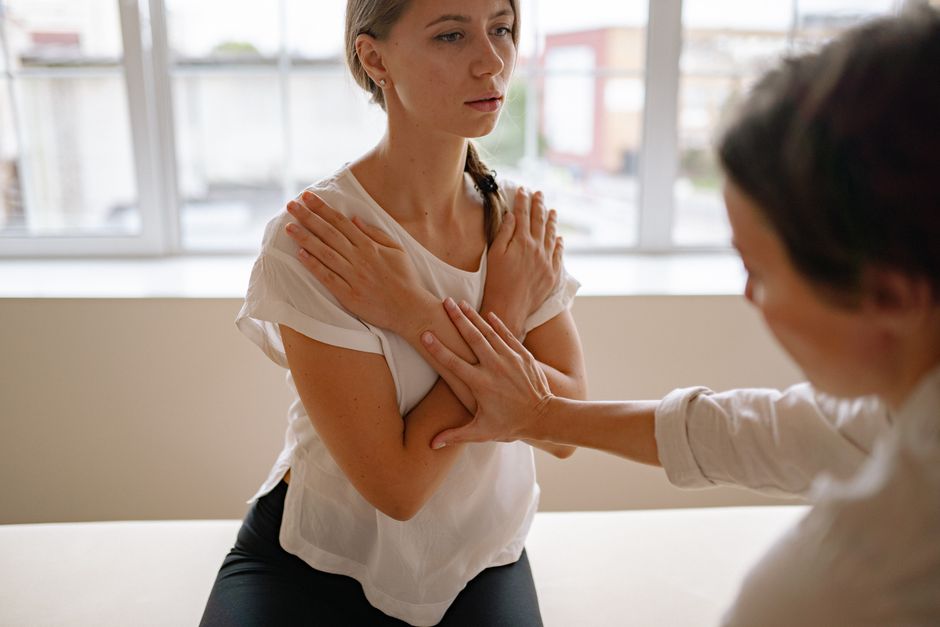
Poor posture is not a single position that automatically causes injury. It is better understood as a pattern of holding the body in one position for too long, moving in limited ways, or placing repeated stress on the neck, shoulders, spine, hips, or legs. Over time, these habits can contribute to discomfort, stiffness, fatigue, headaches, and reduced physical activity.
For residents of Niskayuna, posture concerns may develop during long workdays, extended screen use, commuting, household tasks, or seasonal activities such as shoveling, gardening, and outdoor maintenance.
What does poor posture do to the body?
Poor posture can increase the workload on muscles and joints. For example, sitting with the head pushed forward requires the neck and upper-back muscles to work continuously to support it. Slouching may also reduce the natural movement of the rib cage and place extra strain on the lower back.
The effects are often gradual rather than sudden. Common signs include:
- Neck or shoulder tightness
- Aching between the shoulder blades
- Low-back discomfort after sitting
- Hip stiffness when standing
- Frequent muscle fatigue
- Reduced ability to turn, bend, or reach comfortably
- Headaches that seem related to neck tension
Posture is only one possible contributor. Joint conditions, injuries, nerve irritation, muscle weakness, sleep problems, stress, and other health concerns can produce similar symptoms.
Can poor posture cause back and neck pain?
It can contribute to pain, but posture is rarely the only explanation. Research does not support the idea that one “perfect” posture prevents all back or neck problems. People can have noticeable postural differences without pain, while others may experience pain with relatively minor changes in alignment.
The more useful concern is often prolonged, unchanging posture. Sitting, standing, or looking downward for hours may place repeated demand on the same tissues. A position that feels comfortable for 10 minutes may become uncomfortable after two hours.
Changing positions regularly, building strength, and maintaining general physical activity may be more helpful than trying to hold the body rigidly upright all day.
How can posture affect breathing and energy?
A rounded upper back and forward head position may limit comfortable chest and rib movement, particularly during deep breathing. This does not usually cause serious breathing problems by itself, but it can make breathing feel less relaxed during prolonged sitting or fatigue.
Poor posture may also make ordinary activities feel more tiring. Muscles that remain mildly contracted for long periods may become fatigued, even when the person is not performing strenuous exercise. This can create a cycle in which discomfort leads to less movement, and less movement leads to further stiffness and weakness.
Feeling tired, short of breath, dizzy, or unusually weak should not automatically be blamed on posture. Those symptoms may require medical evaluation.
Does posture affect headaches?
Neck and upper-back tension can contribute to some tension-type headaches. A forward head position, raised shoulders, or prolonged screen viewing may increase muscle strain around the base of the skull and upper neck.
Posture-related headaches often occur along with:
- Tightness across the shoulders
- Tenderness at the base of the skull
- Discomfort after computer or phone use
- Improvement after movement, rest, or gentle stretching
However, a new, severe, sudden, or unusual headache should not be assumed to be posture-related. Headaches accompanied by weakness, confusion, fainting, vision changes, fever, difficulty speaking, or loss of coordination require prompt medical attention.
What posture habits are common during screen use?
Phones, tablets, laptops, and desktop computers can encourage the head and eyes to remain angled downward. The problem is usually not occasional device use. It is the combination of a fixed position, limited movement, and long periods without rest.
Helpful adjustments include:
- Raise screens closer to eye level when practical.
- Keep frequently used items within easy reach.
- Support the lower back without forcing an exaggerated arch.
- Let the shoulders rest instead of holding them up.
- Keep both feet supported when sitting.
- Change position before discomfort becomes intense.
- Look into the distance regularly to reduce eye and neck strain.
A standing workstation is not automatically better than a seated one. Standing in one position for hours can create its own problems. Alternating between sitting, standing, walking, and brief movement is generally more comfortable for many people.
How can households improve posture during daily activities?
Posture should be considered during ordinary tasks, not only at a desk. Lifting laundry baskets, carrying groceries, doing yard work, or clearing snow can place stress on the spine when performed repeatedly or with fatigue.
Practical strategies include:
- Keep loads close to the body.
- Avoid twisting while lifting.
- Break heavy or awkward tasks into smaller parts.
- Change sides when carrying items.
- Use a stable stance before reaching or lifting.
- Take brief breaks during repetitive work.
- Stop if pain becomes sharp, radiating, or progressively worse.
In Niskayuna, seasonal chores can create sudden increases in physical demand. Someone who is mostly sedentary during the week may experience soreness after a long day of spring cleanup or winter snow removal. Preparing with regular walking and basic strengthening is often more useful than trying to maintain a particular back position during every movement.
What exercises support better posture?
There is no universal posture exercise that works for everyone. A balanced routine usually includes movement for the upper back, neck, hips, legs, and trunk.
Examples may include:
- Walking at a comfortable pace
- Gentle chest and hip-flexor stretches
- Shoulder-blade movements
- Controlled squats or sit-to-stand exercises
- Light trunk-strengthening exercises
- Mobility exercises that do not reproduce sharp pain
The goal is not to force the spine into a rigid position. Stronger muscles, better movement variety, and improved tolerance for daily activity can help the body handle different postures more comfortably.
Anyone with a recent injury, significant osteoporosis, neurological symptoms, or a condition affecting balance should seek individualized medical guidance before beginning a new exercise routine.
When should posture-related pain be evaluated?
Mild stiffness that improves with movement and rest is often manageable with gradual activity and practical adjustments. Evaluation becomes more important when symptoms persist, repeatedly return, or interfere with sleep, work, walking, or routine household activities.
Prompt medical attention is appropriate for back or neck pain accompanied by:
- Numbness or weakness in an arm or leg
- Loss of bowel or bladder control
- Numbness around the groin or inner thighs
- Fever or unexplained weight loss
- Pain after a significant fall or collision
- Severe pain that does not ease with rest
- Difficulty walking or maintaining balance
A balanced view of posture avoids two extremes: ignoring persistent strain and blaming every symptom on alignment. Healthy posture is less about looking perfectly straight and more about having the strength, mobility, and movement options to change positions comfortably throughout the day.
