
 See Our Latest Article on HelloNation
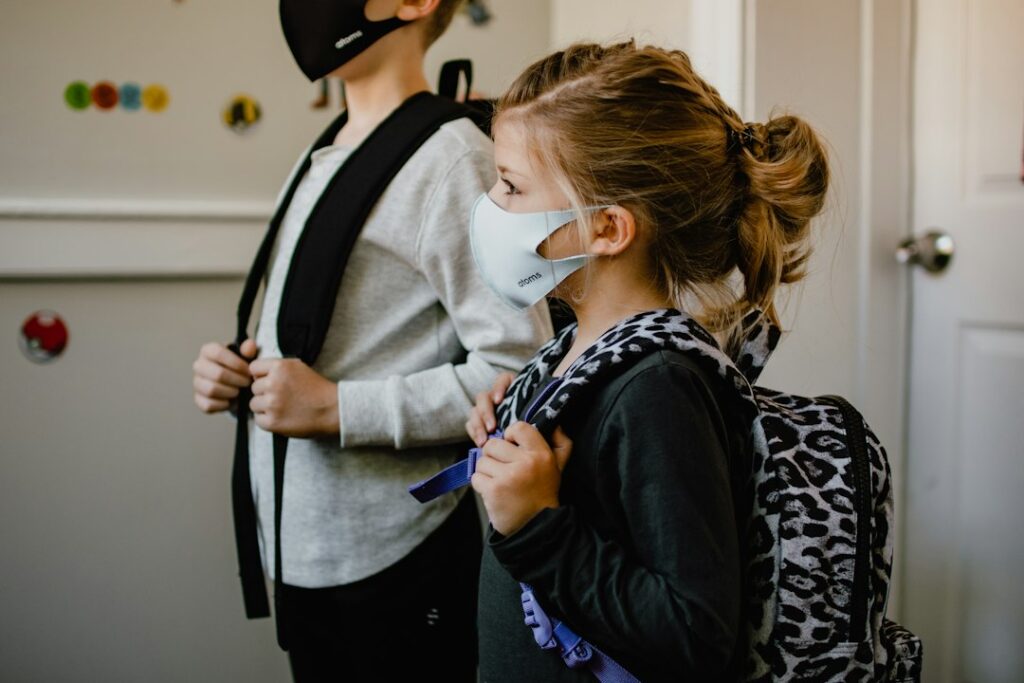
Why backpack weight matters for children in Niskayuna, NY
A backpack that is too heavy, poorly fitted, or carried unevenly can contribute to neck, shoulder, and back discomfort. It may also change how a child walks, stands, climbs stairs, or gets on and off a school bus.
Children are still developing strength, coordination, and body awareness. A load that feels manageable for an adult may be more demanding for a smaller child. The concern is usually not one brief carry, but repeated loading every school day, especially when a backpack is also carried between classrooms, activities, transportation stops, and home.
A heavy backpack does not usually cause permanent spinal damage by itself, and it does not cause scoliosis. However, it can create temporary strain, muscle fatigue, poor movement habits, and pain that deserves attention.
How heavy is too heavy?
A practical guideline is to keep a child’s fully packed backpack at no more than about 10% to 15% of body weight. For example:
- A child weighing 60 pounds would carry about 6 to 9 pounds at most.
- A child weighing 80 pounds would carry about 8 to 12 pounds at most.
- A child weighing 100 pounds would carry about 10 to 15 pounds at most.
The lower end of that range may be more suitable for a smaller child, a child with existing pain, or a student who must walk a long distance while carrying the bag.
Weight limits are useful, but appearance and behavior also matter. A backpack may be too heavy if a child:
- Leans forward noticeably while walking
- Hikes one shoulder or twists to one side
- Complains of neck, shoulder, or back pain after school
- Has red marks, numbness, or tingling from the straps
- Struggles to put the backpack on or take it off
- Walks more slowly, stumbles, or appears unsteady
- Removes the bag quickly and rubs the shoulders or back
A household bathroom scale can provide a quick check. Weigh the backpack after it has been packed as it normally would be for a school day.
What health effects can a heavy backpack cause?
The most common effects are muscle fatigue and discomfort. The upper back, neck, shoulders, and lower back may work harder to prevent the load from pulling the body backward.
A child may respond by bending forward, tightening the shoulder muscles, or shifting weight to one side. These adjustments can make walking less comfortable and may increase strain during longer periods of carrying.
A backpack can also affect balance. A child carrying a heavy load may have more difficulty seeing the ground near the feet, turning quickly, using stairs, or reacting to slippery surfaces. This deserves extra attention during winter conditions, when snow, ice, wet pavement, and bulky outerwear can make movement less stable.
Some children may experience headaches or shoulder discomfort related to muscle tension. Others may not report pain at all but may show changes in posture or avoid wearing the backpack correctly. A child’s silence does not always mean the load is comfortable.
Research does not support the idea that ordinary backpack use permanently bends a healthy child’s spine. Still, repeated pain, numbness, weakness, or changes in activity should not be dismissed as simply part of growing up.
How should a backpack fit?
A properly fitted backpack rests close to the body rather than hanging low behind the hips. It should have two wide, padded shoulder straps so the weight is shared evenly.
The bottom of the backpack should generally sit near the waist or slightly above it, not several inches below the lower back. The shoulder straps should be adjusted so the bag stays close without pressing tightly into the neck.
If the backpack has a chest or sternum strap, using it can help keep the shoulder straps in place. A waist strap may also help distribute some weight through the hips, especially for a larger load.
Children should use both shoulder straps. Wearing the bag over one shoulder may look convenient, but it encourages uneven loading and can make the child lean or rotate to compensate.
What should go inside the backpack?
Packing decisions often make a bigger difference than families expect. The heaviest items should be placed closest to the child’s back. Lighter objects can go in outer compartments.
A weekly clean-out can remove forgotten papers, duplicate supplies, sports equipment, toys, and partially filled water bottles. Families can also check whether certain materials can remain at school or be carried only on specific days.
Useful packing habits include:
- Carry only the books and supplies needed that day.
- Use separate compartments to prevent weight from shifting.
- Place laptops, tablets, and textbooks close to the back panel.
- Choose a smaller water bottle when appropriate.
- Avoid adding decorative items or accessories that provide little function.
- Recheck the load when seasonal clothing or activity equipment is added.

A jacket, boots, lunch container, and water bottle can add substantial weight. During colder months, wet clothing or snow-covered items may also make a bag heavier and less balanced.
What is the safest way to lift and carry it?
Children should place the backpack on a stable surface before putting it on whenever possible. If it is on the floor, they should bend at the knees, lift with both hands, and bring the bag close to the body before raising it onto the shoulders.
The backpack should be worn with both straps adjusted evenly. Children should avoid swinging a heavily loaded bag onto one shoulder, which can create a sudden pulling force through the neck and upper back.
When walking near traffic, stairs, bus stops, or icy walkways, a lighter backpack may also improve awareness and balance. A child who cannot walk normally while carrying the bag may need the load reduced, even if the weight falls within a general percentage guideline.
When should back or shoulder pain be evaluated?
Occasional mild fatigue that improves after the backpack is removed may respond to reducing the load and improving the fit. Pain that continues at home, returns every school day, or interferes with sleep, sports, play, or concentration deserves closer attention.
Medical evaluation is especially appropriate when a child has:
- Persistent or worsening pain
- Numbness, tingling, or weakness
- Pain that travels into an arm or leg
- Difficulty walking or maintaining balance
- Pain after a fall or other injury
- Fever, unexplained weight loss, or unusual tiredness along with back pain
- A noticeable change in posture that remains after the backpack is removed
Backpack habits are only one part of a child’s musculoskeletal health. Seating, screen use, sports participation, sleep, physical activity, and previous injuries may also influence discomfort. Looking at the entire daily routine usually provides a more accurate picture than focusing on the backpack alone.
A simple weekly backpack check
A short check once a week can help prevent problems:
1. Empty the backpack completely.
2. Remove items that are not needed.
3. Weigh the bag as it will be carried.
4. Check that the heaviest items sit closest to the back.
5. Adjust both shoulder straps.
6. Look for signs of discomfort, leaning, or uneven movement.
7. Recheck after adding seasonal clothing, sports gear, or electronic devices.
The goal is not to eliminate backpacks. It is to keep the load reasonable, make the fit secure, and notice early signs that carrying school materials is affecting a child’s comfort or movement.
